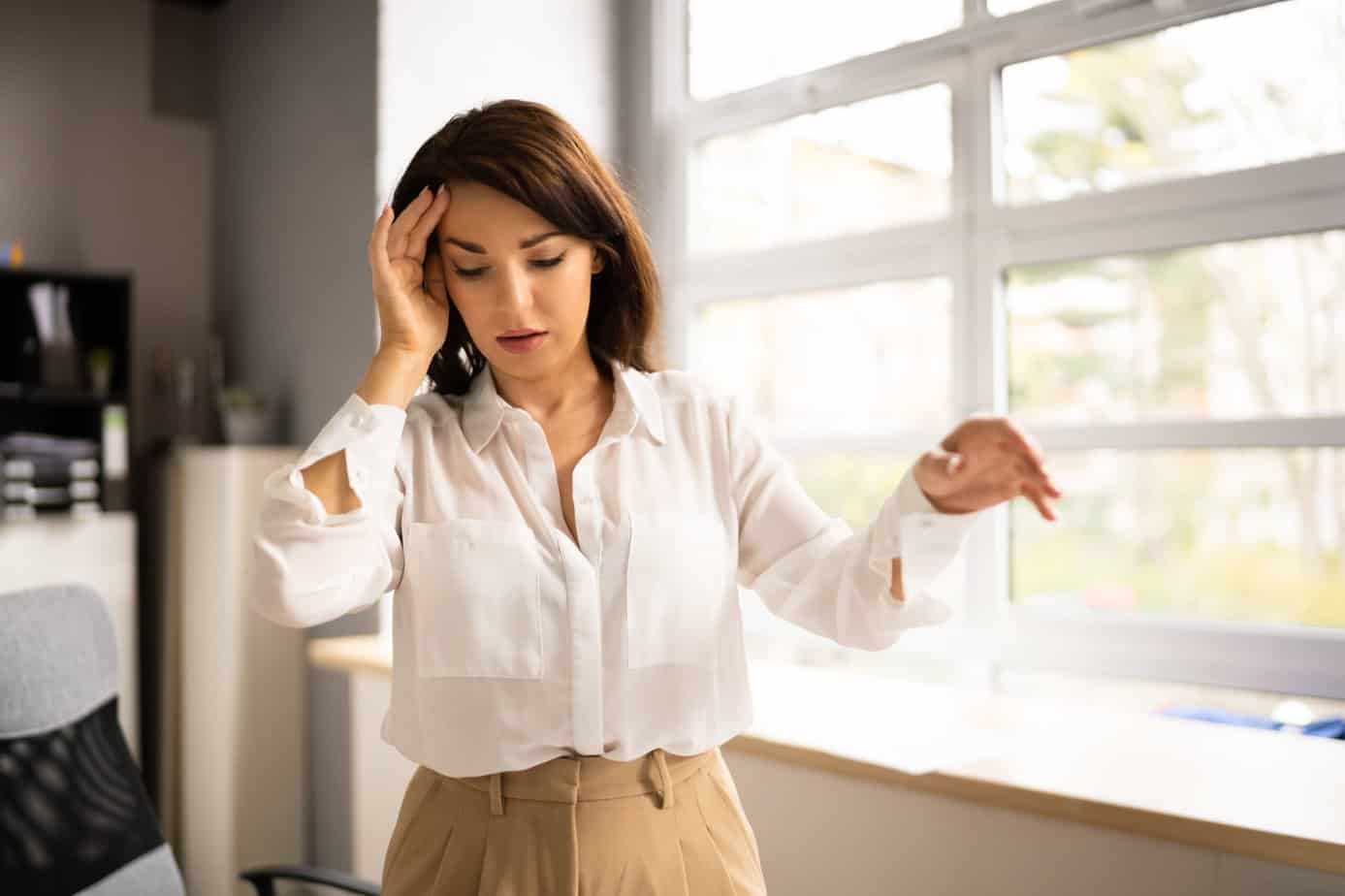
- Vestibular migraine is a common migraine variant where vertigo (a spinning sensation) occurs in episodes, sometimes without a headache.
- About one in three people with migraine also experience dizziness at some point. In many cases, vertigo is the dominant symptom rather than headache.
- Vestibular migraine is more common in women, and symptoms typically begin between the ages of 20 and 40.
What is vestibular migraine?
The vestibular system—the balance organ located in the inner ear—helps the brain interpret head position and movement. In vestibular migraine, this system is affected, leading to recurrent dizziness and imbalance.
Diagnosis
The international diagnostic criteria for vestibular migraine include:
- At least five episodes of vestibular symptoms lasting from 5 minutes to 72 hours.
- Episodes are associated with typical migraine features (such as aura, light/sound sensitivity, or migraine headache), or with a history of migraine with or without aura.
Signs and Symptoms
Symptoms vary greatly between individuals and may include:
- Recurrent episodes of vertigo, often triggered or worsened by head movements
- Sensitivity to light (photophobia) or sound (phonophobia)
- Nausea, sometimes with vomiting
- Aura symptoms (visual or sensory disturbances)
- Motion sickness, often more pronounced than in the general population
- Functional visual disturbances (e.g., difficulty focusing, eye strain)
- Ear-related symptoms, such as a feeling of fullness or congestion
- Migraine headache (typically unilateral and throbbing), though many patients experience little or no headache
Between attacks, some people may continue to feel imbalance, unsteadiness, or milder dizziness.
The Most Common Triggers
Similar to migraine, vestibular migraine attacks can be triggered by:
- Insufficient sleep
- Stress or mental strain
- Certain foods and drinks (e.g., caffeine, alcohol, aged cheese, chocolate)
- Strong smells
- Bright or flickering light
Treatment and Rehabilitation
Management of vestibular migraine is individualised and usually combines several approaches:
- Lifestyle modification: regular sleep, balanced diet, hydration, stress reduction, and trigger avoidance
- Vestibular rehabilitation: customised exercises to improve balance and reduce sensitivity to motion
- Manual therapy or physiotherapy: when neck tension or posture contribute to symptoms
- Migraine management: medication may be used for both acute attacks and prevention, depending on severity and frequency
In general, vestibular rehabilitation is considered an established and effective part of treatment, alongside standard migraine therapies.

Read more
What causes vertigo, dizziness and imbalance?
Read more about common causes of dizziness and imbalance
PPPD (Persistent Postural-Perceptual Dizziness)
Concussion (Post-Concussion Syndrome)
Read more about common causes of vertigo and imbalance
Benign Paroxysmal Positional Vertigo (BPPV)