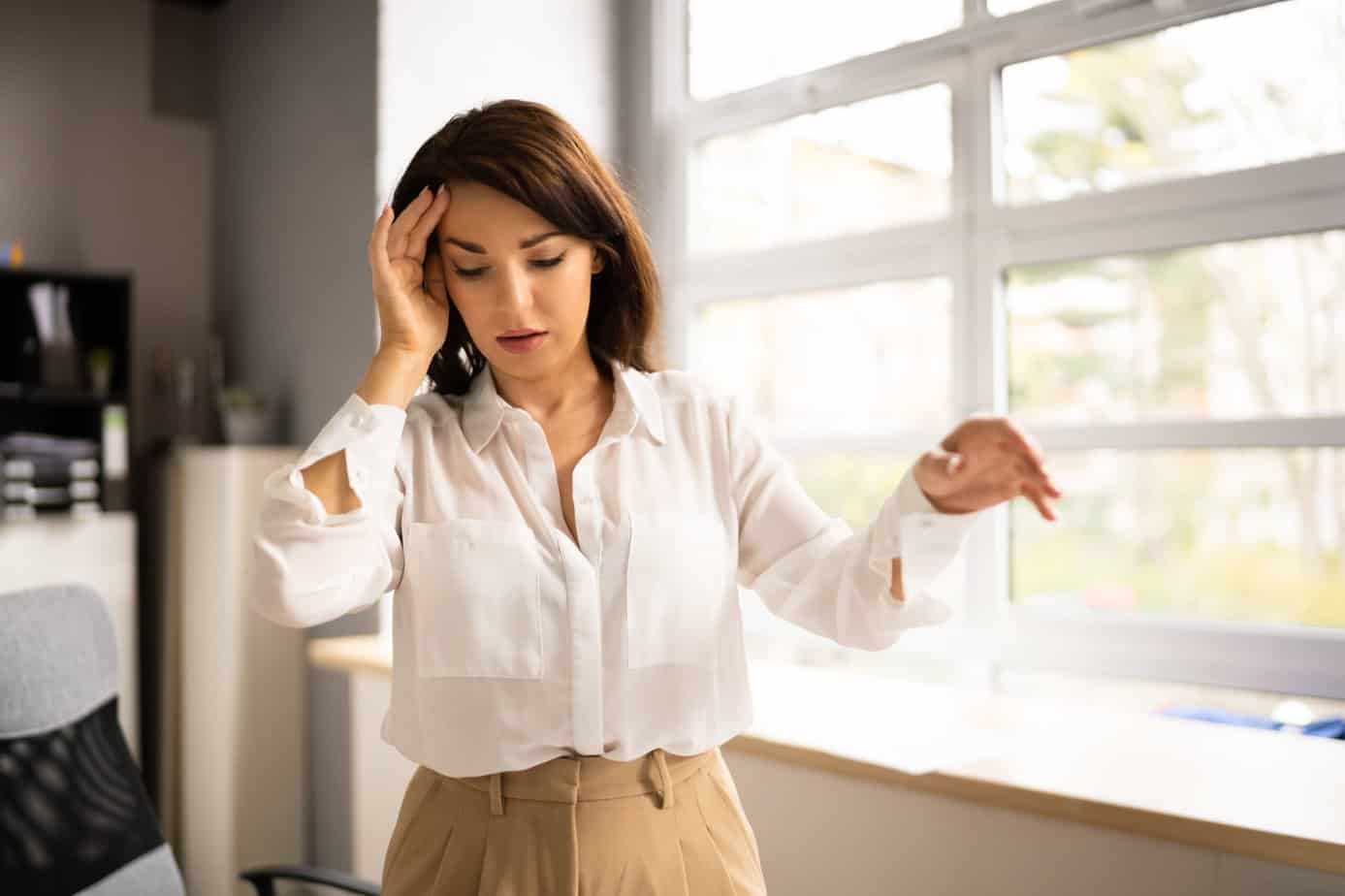
- Bilateral vestibular dysfunction is the medical term for age-related dizziness and imbalance, whose prevalence rises in direct proportion to ageing.
- Vestibular function refers to the activity of the inner ear’s balance organs. These organs coordinate the sense of balance in different positions and movements.
- When these functions decline, all aspects of the balance system are affected to varying degrees.
Symptoms of Age-Related Dizziness
• A general sense of unsteadiness, imbalance, and instability
• Impaired balance control, particularly on soft or uneven surfaces
• Slower adaptation of balance to changes in rhythm and tasks requiring coordination
• Head movements that impair balance and walking, making movement unsteady; rapid head movements further accentuate imbalance
• A sensation that the eyes are not keeping up with walking, instead “jumping” at their own pace; sometimes described as the body’s shock absorbers being too loose or too tight
• Blurred vision, referred to as oscillopsia
• Difficulty focusing and fixing the gaze, with vision becoming easily blurred or fuzzy during head movement
• Increased risk of falls
• Fluctuations in blood pressure and heart rate during movement, causing fatigue and instability
• Anxiety, fear of movement, and increased worry, often linked to impaired balance
• Passivity and avoidance of movement, leading to a decline in physical condition and withdrawal from activities
Causes of Age-Related Dizziness
• Often begins with a general decline in physical function, associated with ageing
• Onset and progression depend on overall health, medical history, balance capacity, and fitness
• Underlying conditions of the legs, neck, or eyes may contribute to progression
• Lifestyle factors, such as insufficient or unbalanced exercise, and inadequate or poor-quality sleep
Treatment and Rehabilitation of Age-Related Dizziness
Treatment and rehabilitation are tailored to the individual and may include:
• Neurological rehabilitation, such as vestibular rehabilitation
• Manual therapy to relieve pain and muscle stiffness
• Individual exercises to strengthen muscle tone
• Lifestyle advice related to relaxation, sleep, and recovery
Older adults can improve their balance with tailored vestibular rehabilitation. Exercise helps strengthen the balance system and reduces symptoms. Although balance does not return to the level of youth, it can usually be significantly improved, thereby increasing functional capacity. This makes it much easier to continue hobbies, activities, and participation.

Read more
What causes vertigo, dizziness and imbalance?
Read more about common causes of dizziness and imbalance
PPPD (Persistent Postural-Perceptual Dizziness)
Concussion (Post-Concussion Syndrome)
Read more about common causes of vertigo and imbalance